
Introduction
In this live project, we utilise the Axi-draw machine, Laser cutting machine and Micro-controller. We chose the phenomena of the Sun as it seems the most interesting to us. Throughout human history, we have held the sun in extremely high regard as the bringer of life, light, warmth, and food.
The reading we used is “Made in China, designed in California, criticized in Europe”. We were inspired by a section of the text that talks about “images without aesthetics” and how “we live in a society of feelings not visions.” Hence we decided to find ways to evoke feeling through visuals. We tried to think of how we can visualise the sun in an abstract ways.
Solar Tale
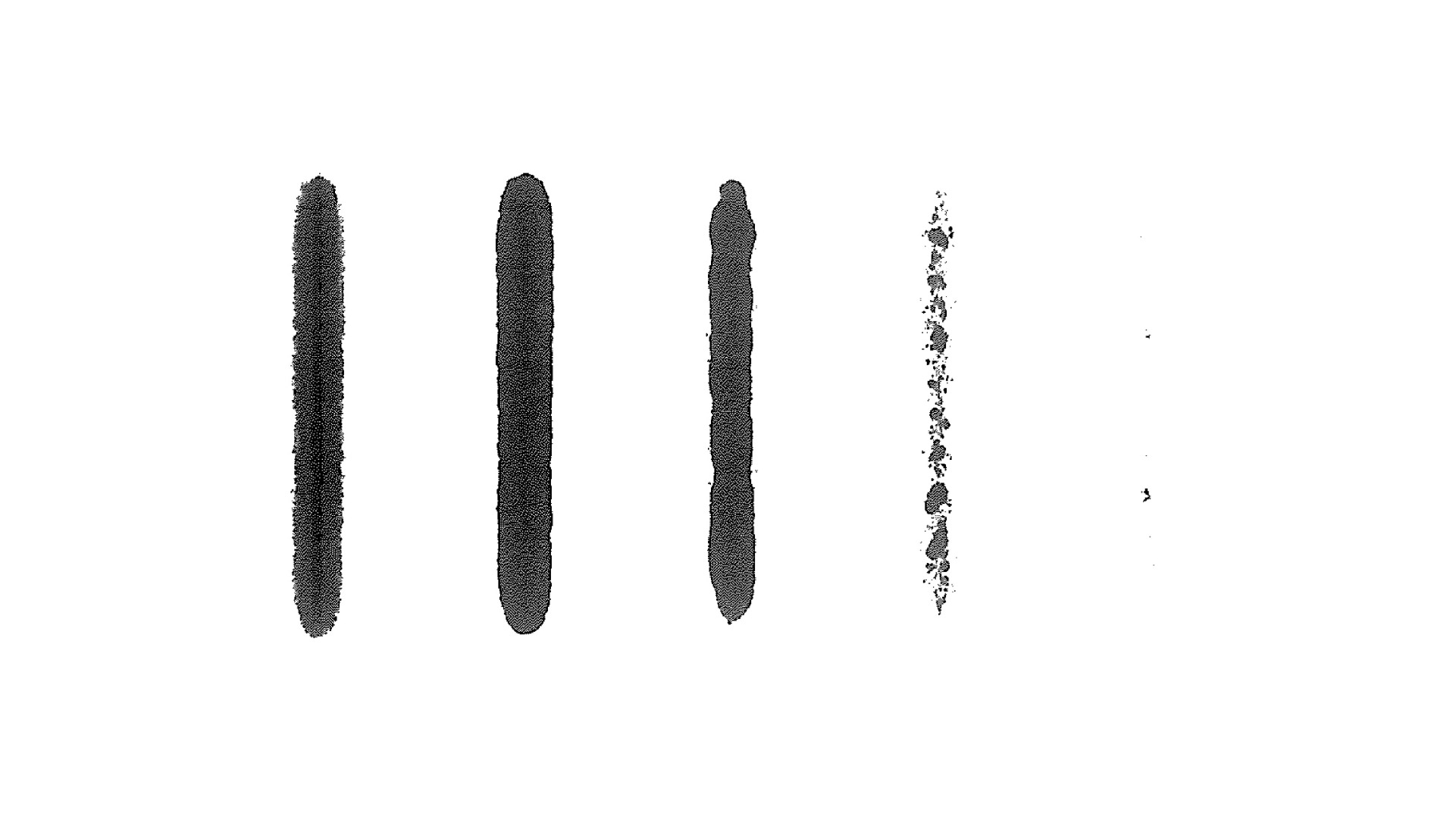
The first project is Fire Craft. The idea is inspired by the method early humans used to make fire with sticks and tinder. By using the axis draw machine to draw a singular line 600 times, we manage to create multiple patterns through the ink bleeding from one piece of the paper to the next.
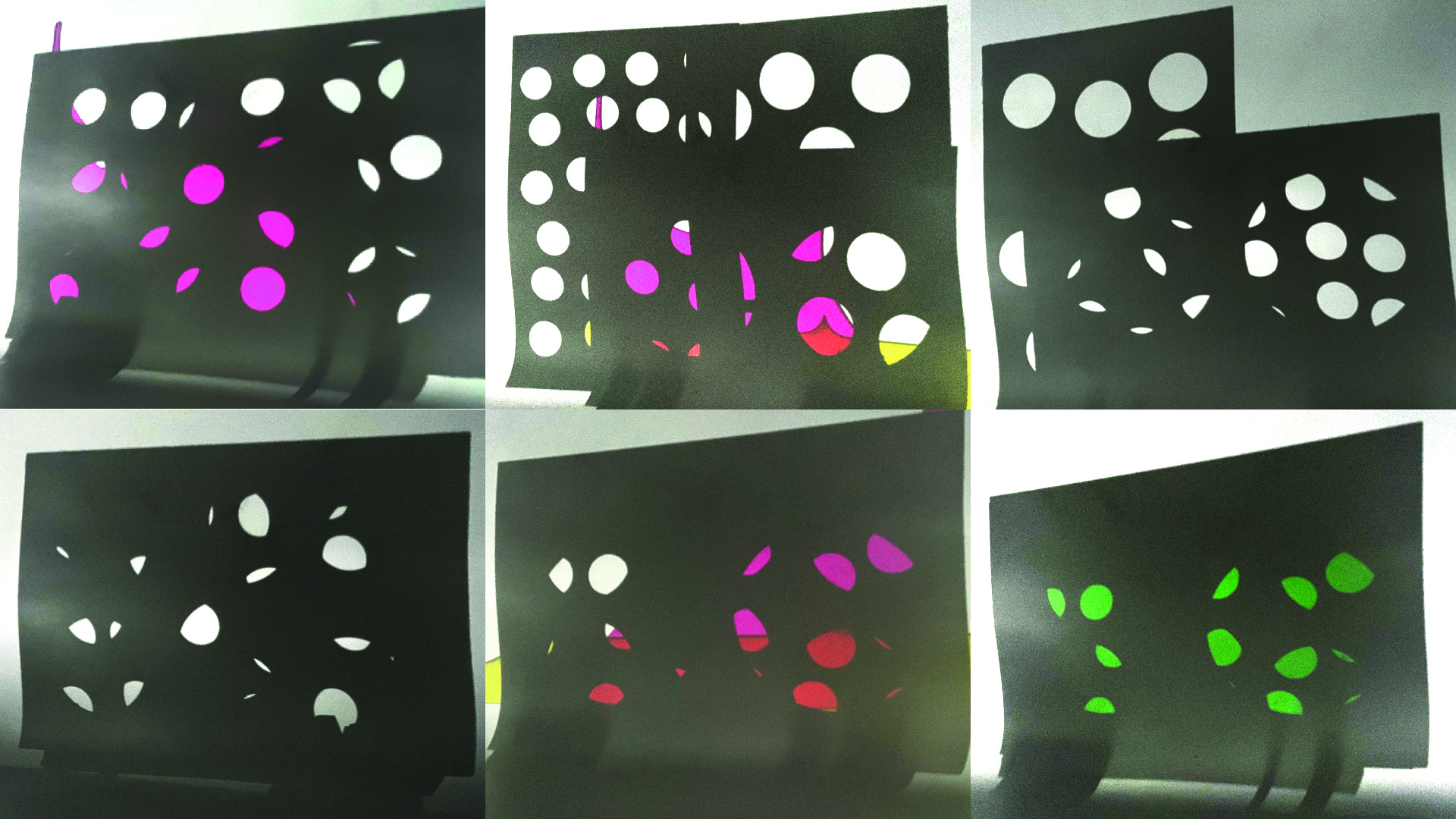
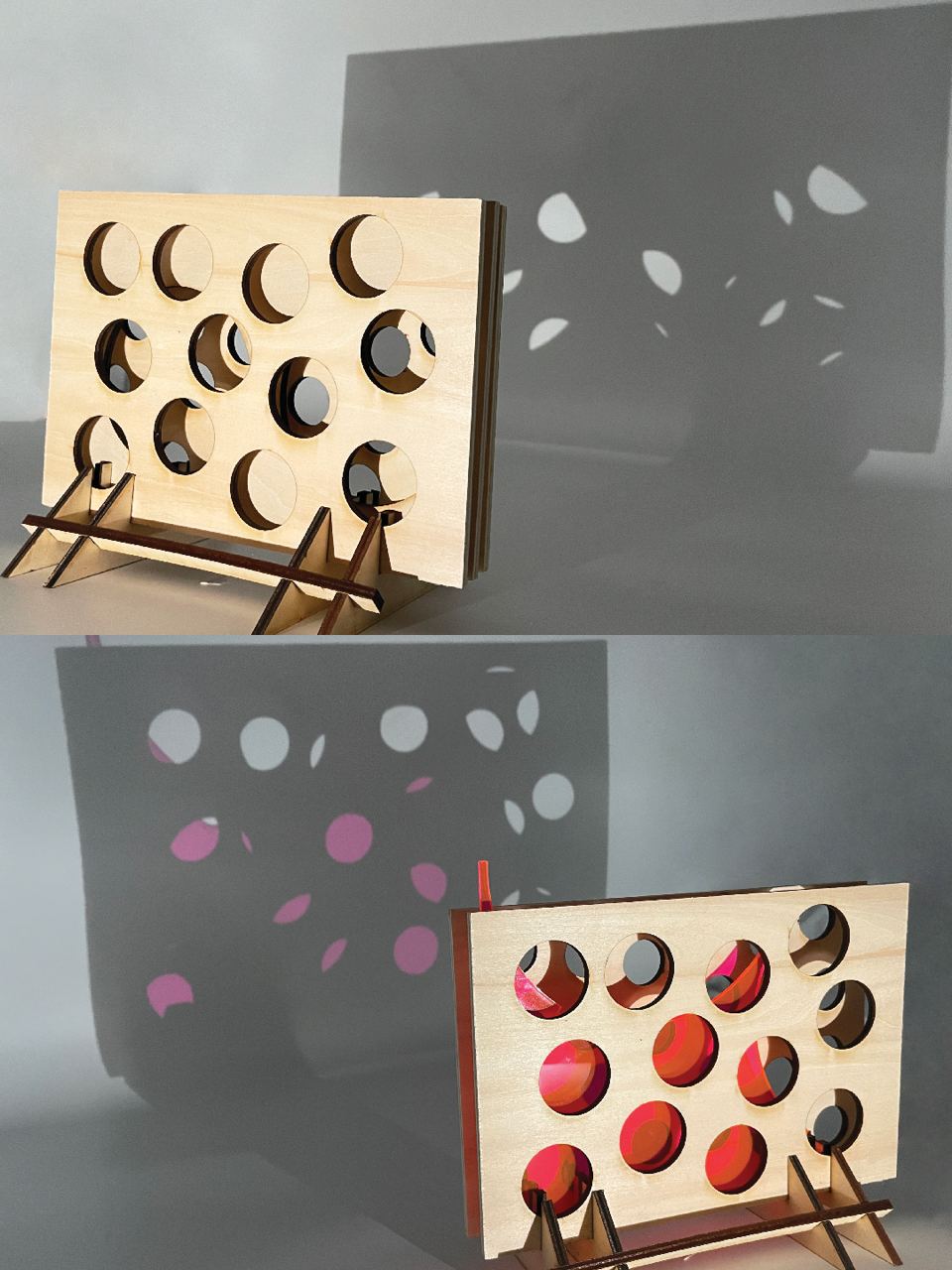
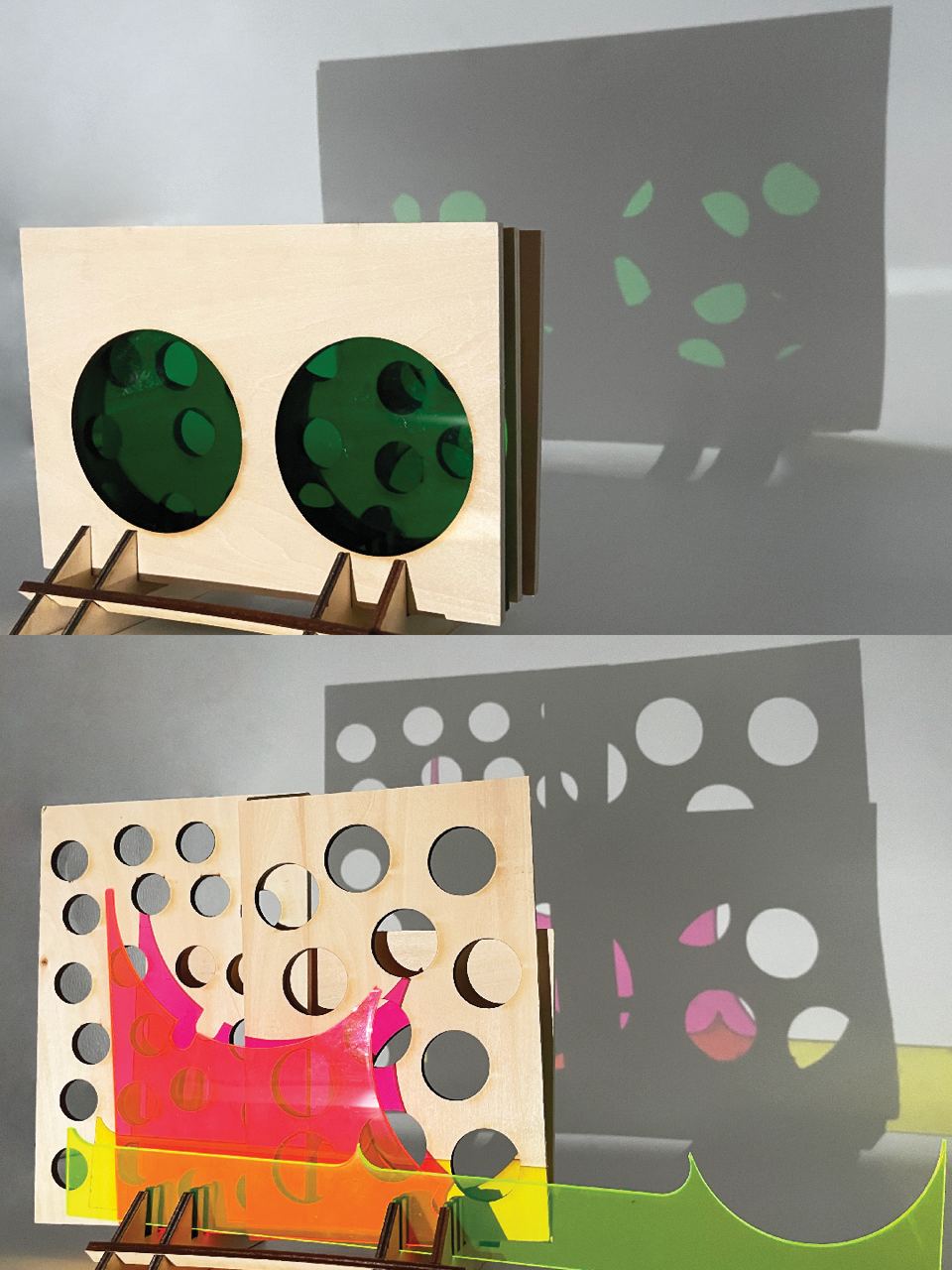
The second project is Solar silhouette. The idea is inspired by how sunlight travels through space and through various obstacles before reaching the Earth. By laser cutting random circles of different sizes into wood and shining lights through them, we created different and interesting shadows.
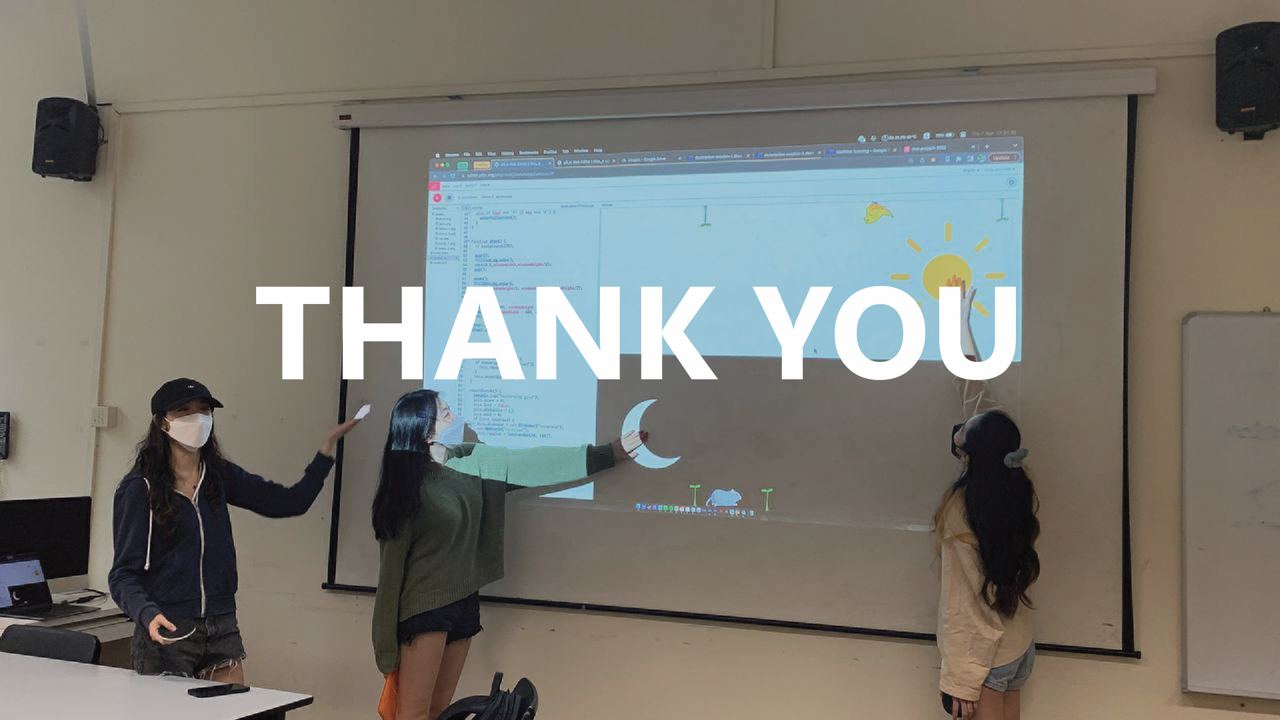
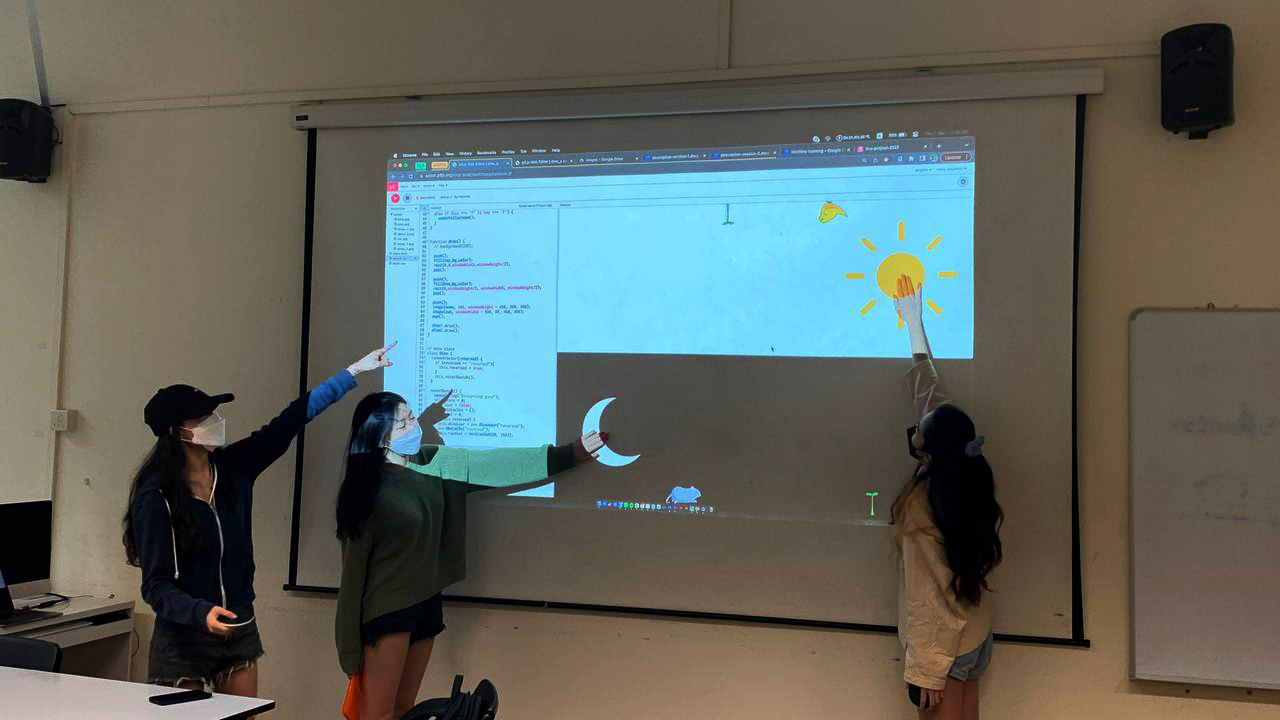
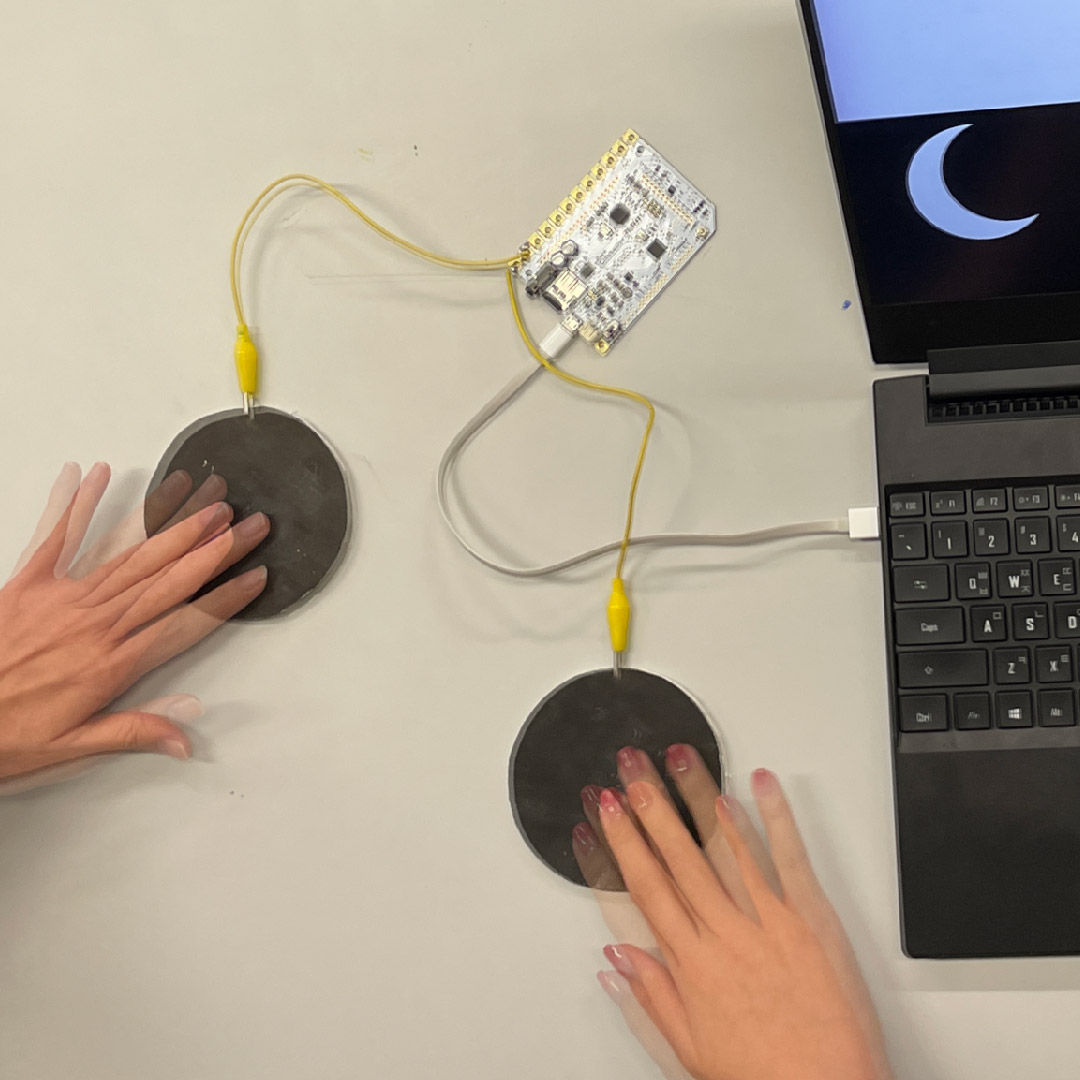
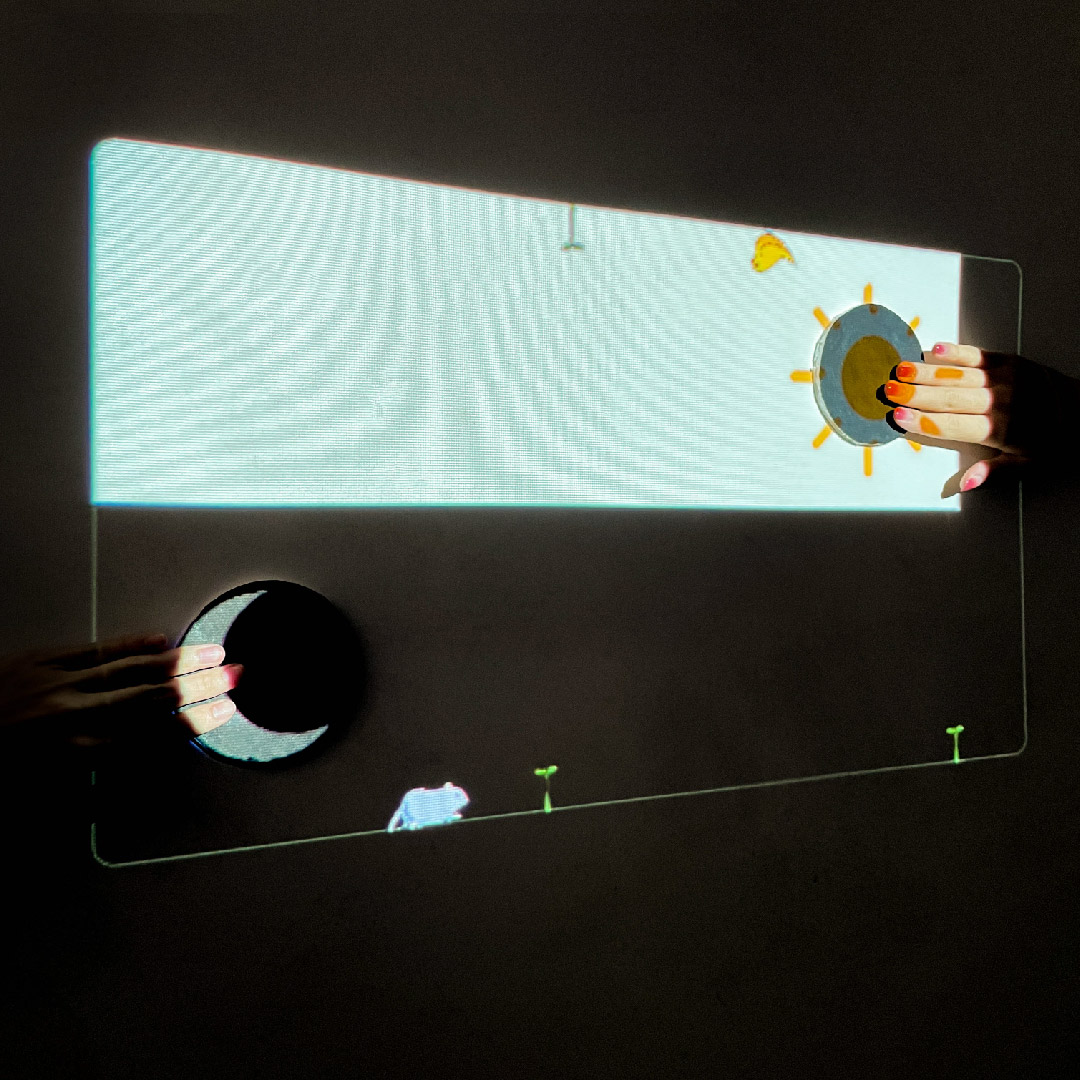
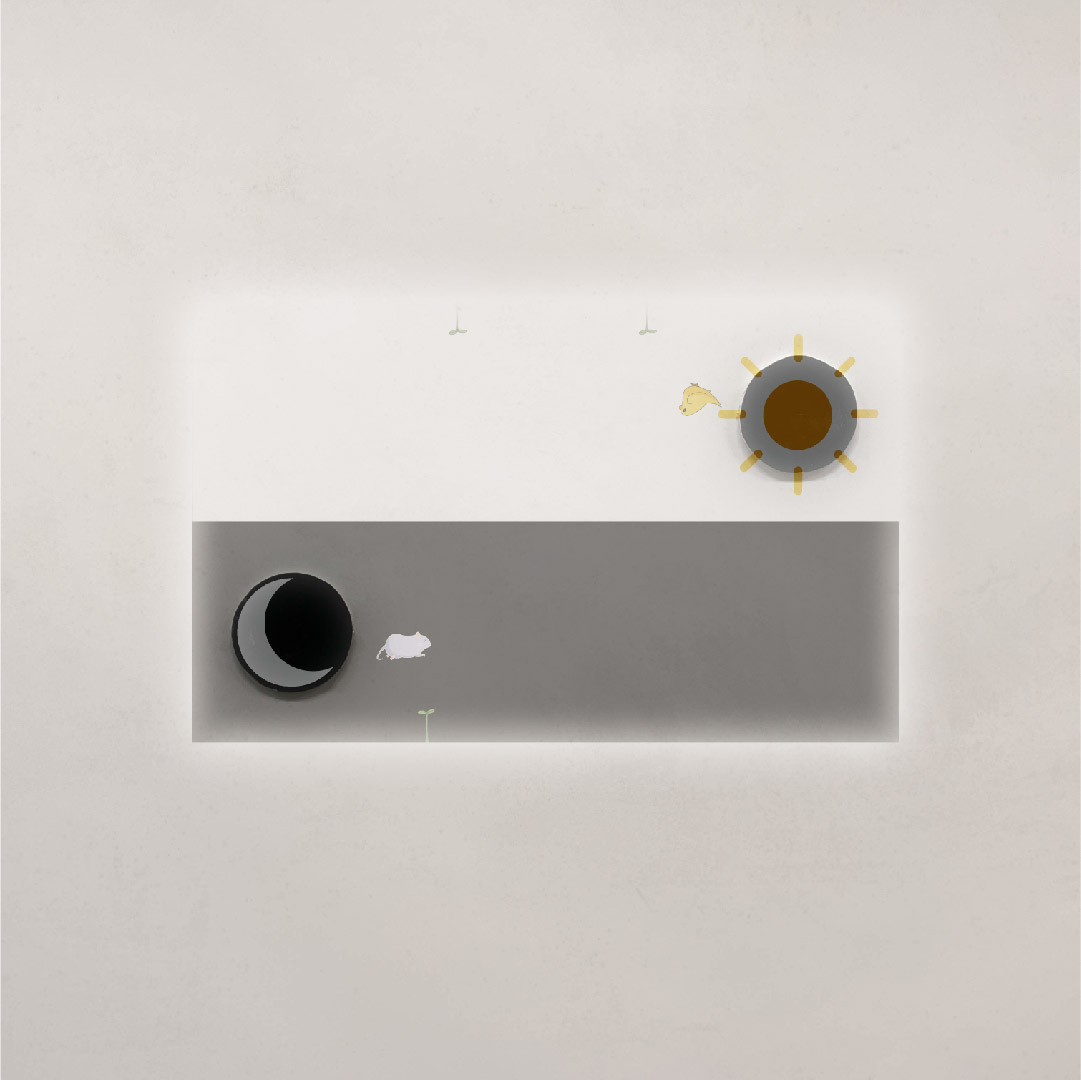
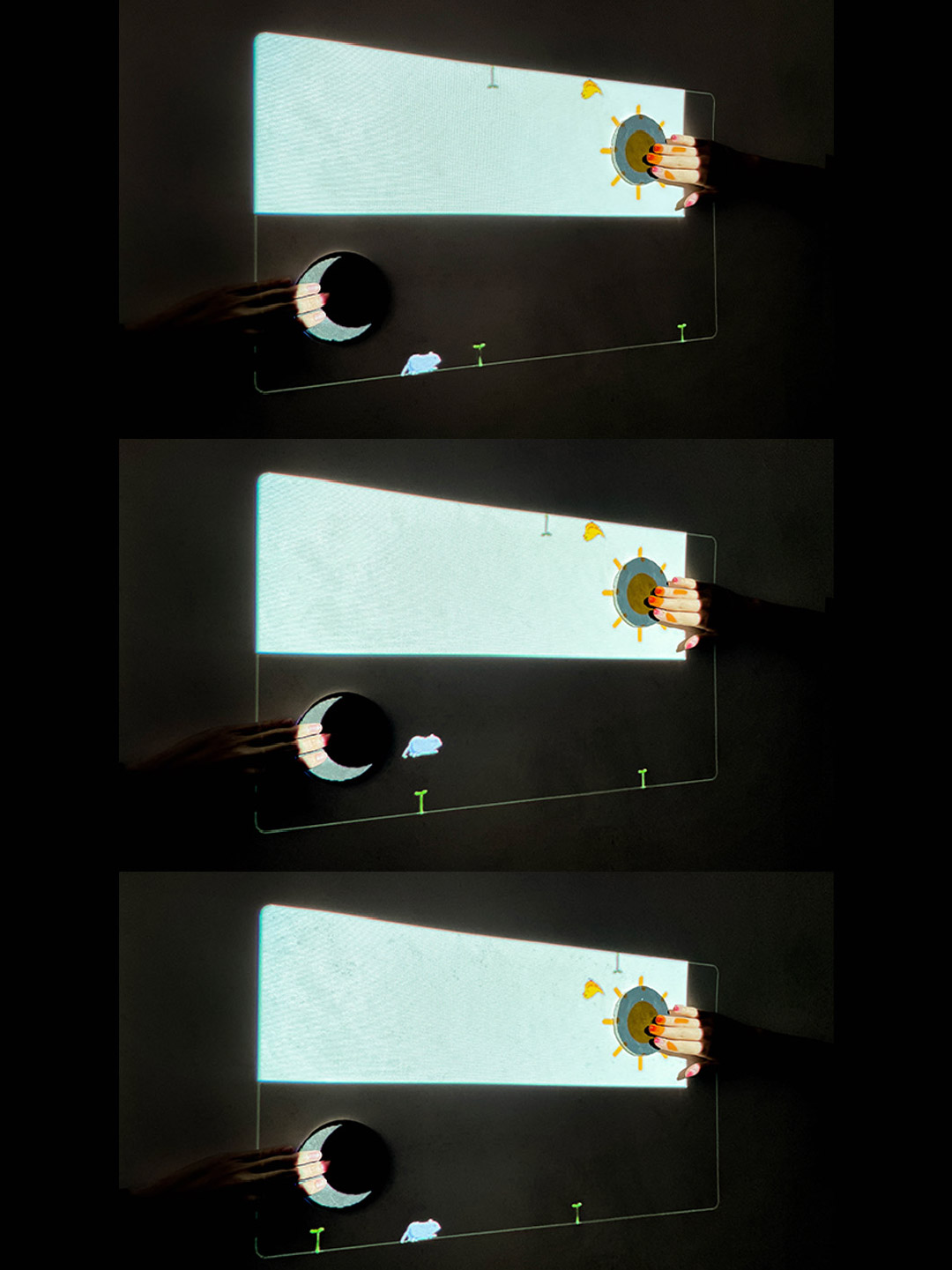
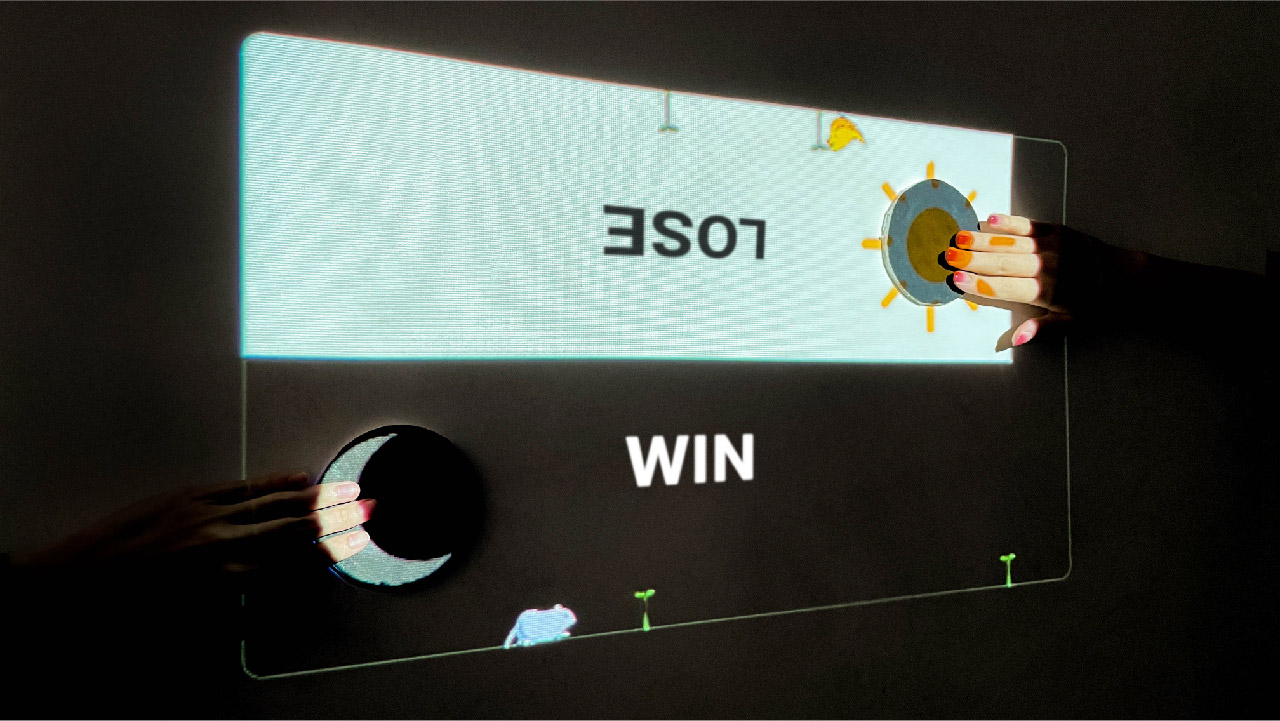
The third project is Day & Night. The idea is inspired by the cycle of day and night. We created a game where a bird (representing sun) and a rat (representing moon) avoid obstacles by jumping. Users can control each character by touching buttons, utilising the micro-controller connected to P5js, and view the game on a wall, using the projector.
This project is made of 3 experiments. Take a look below to see what we came up with.
Experiment 1
Pen Plotter
Almost all early humans are thought to have held the sun in extremely high regard as the bringer of life, light, warmth, and food. They have tried to recreate the sun with tools found in the natural world such as flint, sticks and tinder.
The control of fire by early humans was a turning point in the technological evolution of human civilization. Fire provided a source of warmth and lighting, protection from predators (especially at night), a way to create more advanced hunting tools, and a method for cooking food. These cultural advances allowed human geographic dispersal, cultural innovations, and changes to diet and behaviour. Additionally, creating fire allowed human activity to continue into the dark and colder hours of the evening.
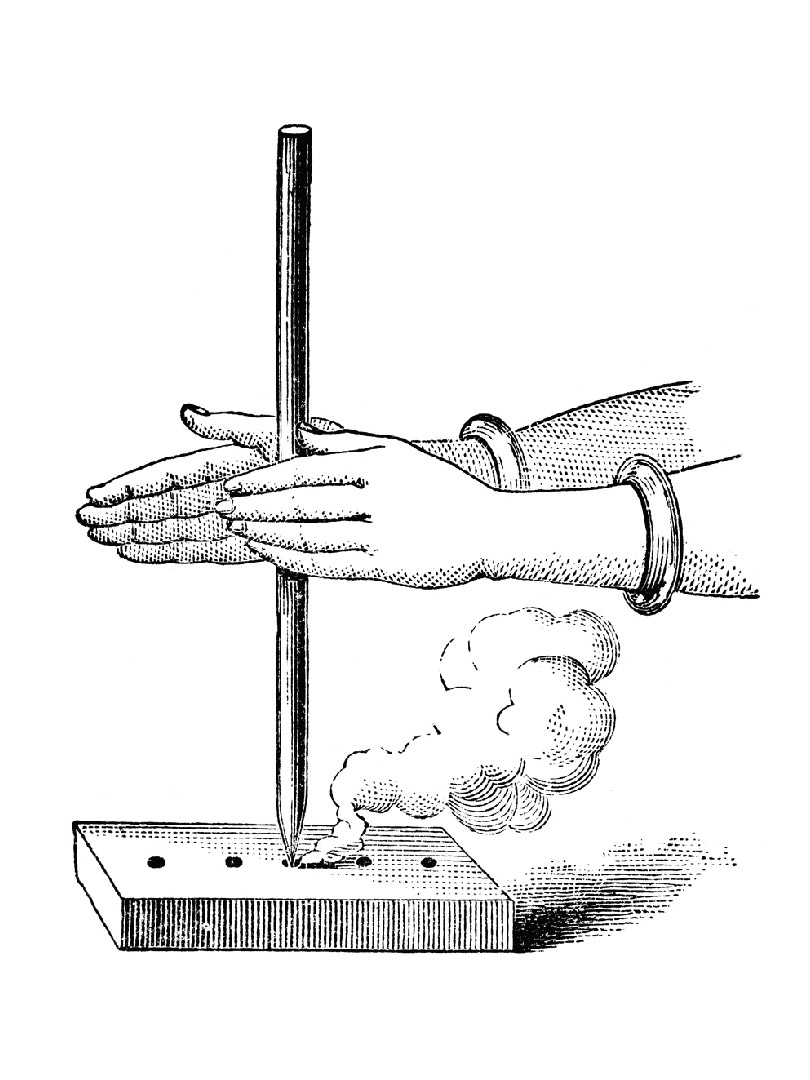
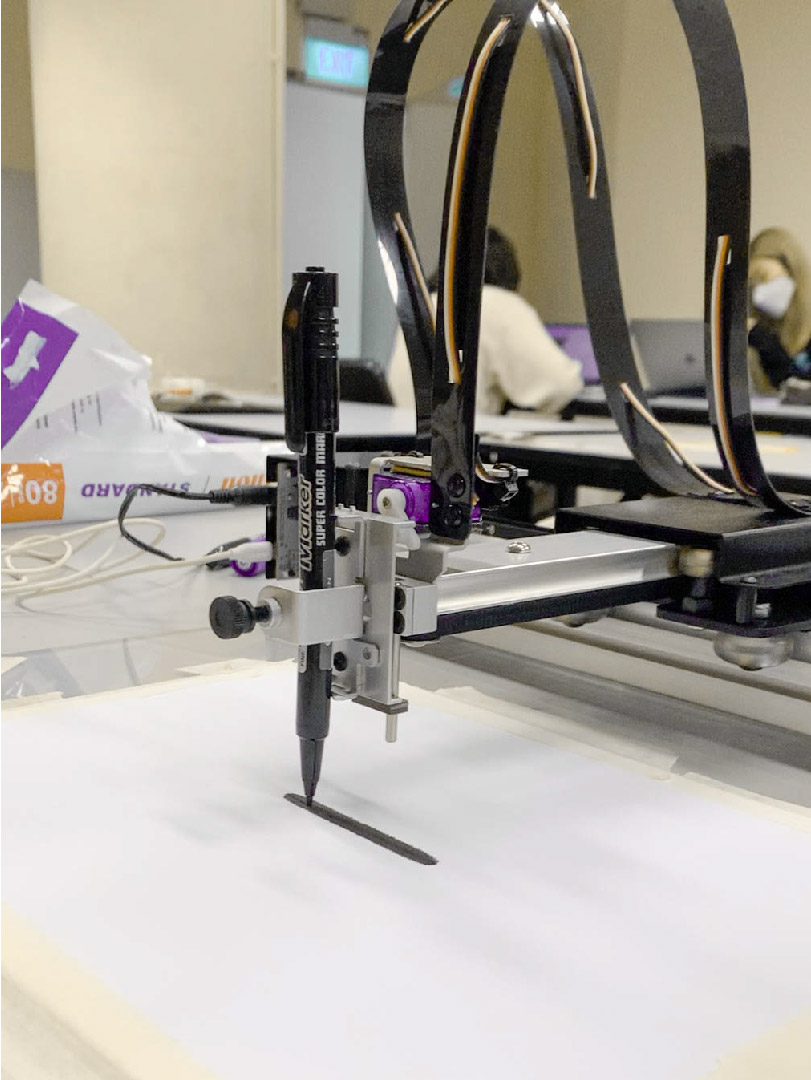
Fire Craft uses the first and the most basic element of design, a line to represent the simple tools of starting a fire. However, instead of using a piece of paper on the axidraw machine, we stacked around 10 pieces of paper on top of each other. A marker is used as the plotting tool, so as to achieve the bleeding of ink through many layers of paper with repeated action. The design of Fire Craft is inspired by the methods the early humans used to recreate the sun, either using pieces of flint stones banged together to create sparks, or rubbing two sticks together generating enough heat to start a fire. The evolutionary solution is created by rather simple materials, repeated myriad times, but the result is magnificent.
Process
Using inkscape, we drew 1 single line, double it to be 2 lines, double that to get 4 lines. We repeated that to get 600 lines.
After using the axidraw machine to draw a singular line 600 times, the result at the first glance might not look like much, but reveals a deeper message when we flip through the stack of paper. The ink starts to spread over the first piece of paper, almost 5 times thicker than the initial line. Some tearing is present over the placement of the initial line, indicating the existence of friction. When we flipped through the stack of paper, we realised that it had bled through 5 pieces of paper, showing some sort of patterns on the 4th page, perhaps influenced by the texture of paper.
Experiment 2
Laser Cutter
Project Solar silhouette aims to represent how sunlight travels through space and through various obstacles before reaching the Earth, by using a light source and multiple layer of wood to create interesting shadows.
Process
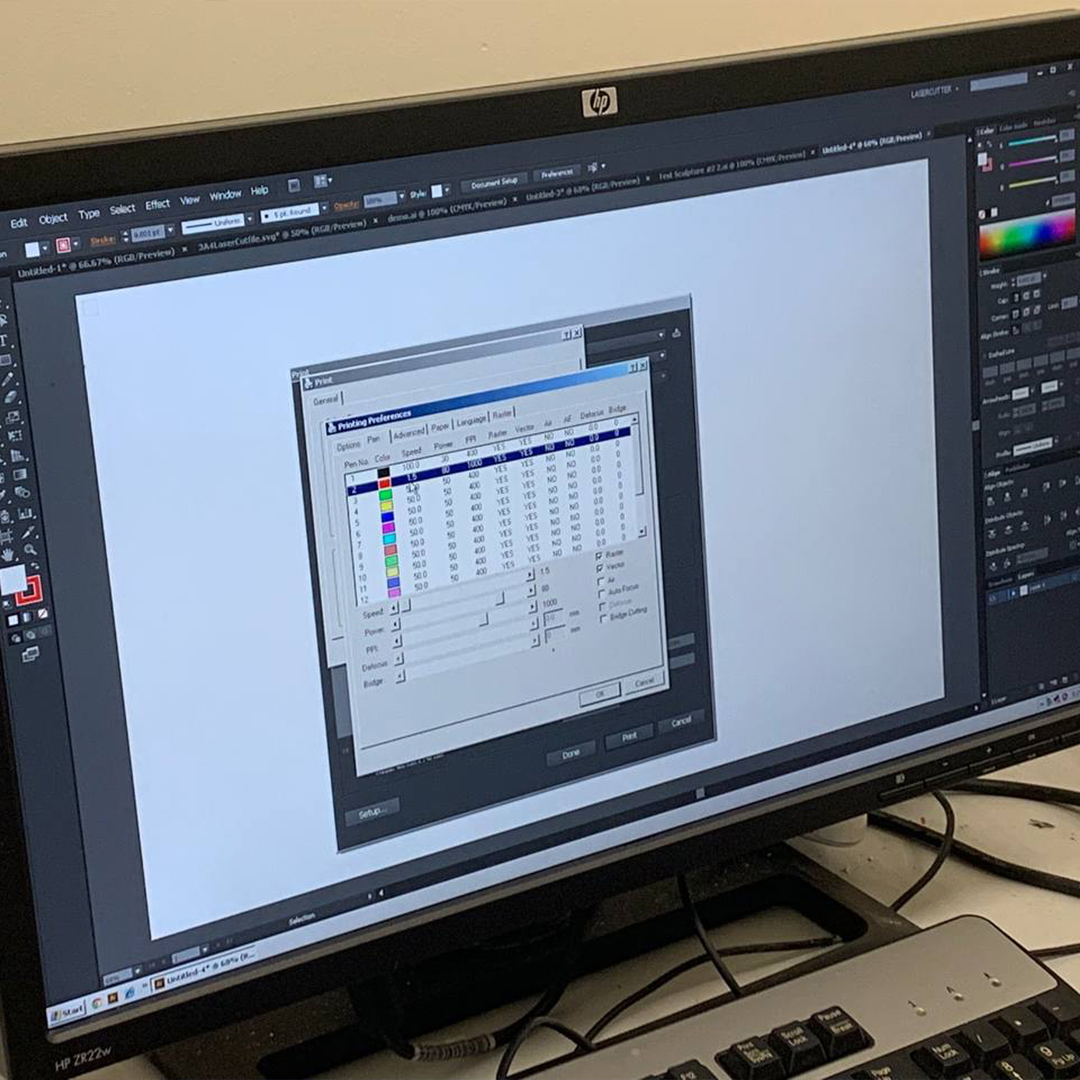
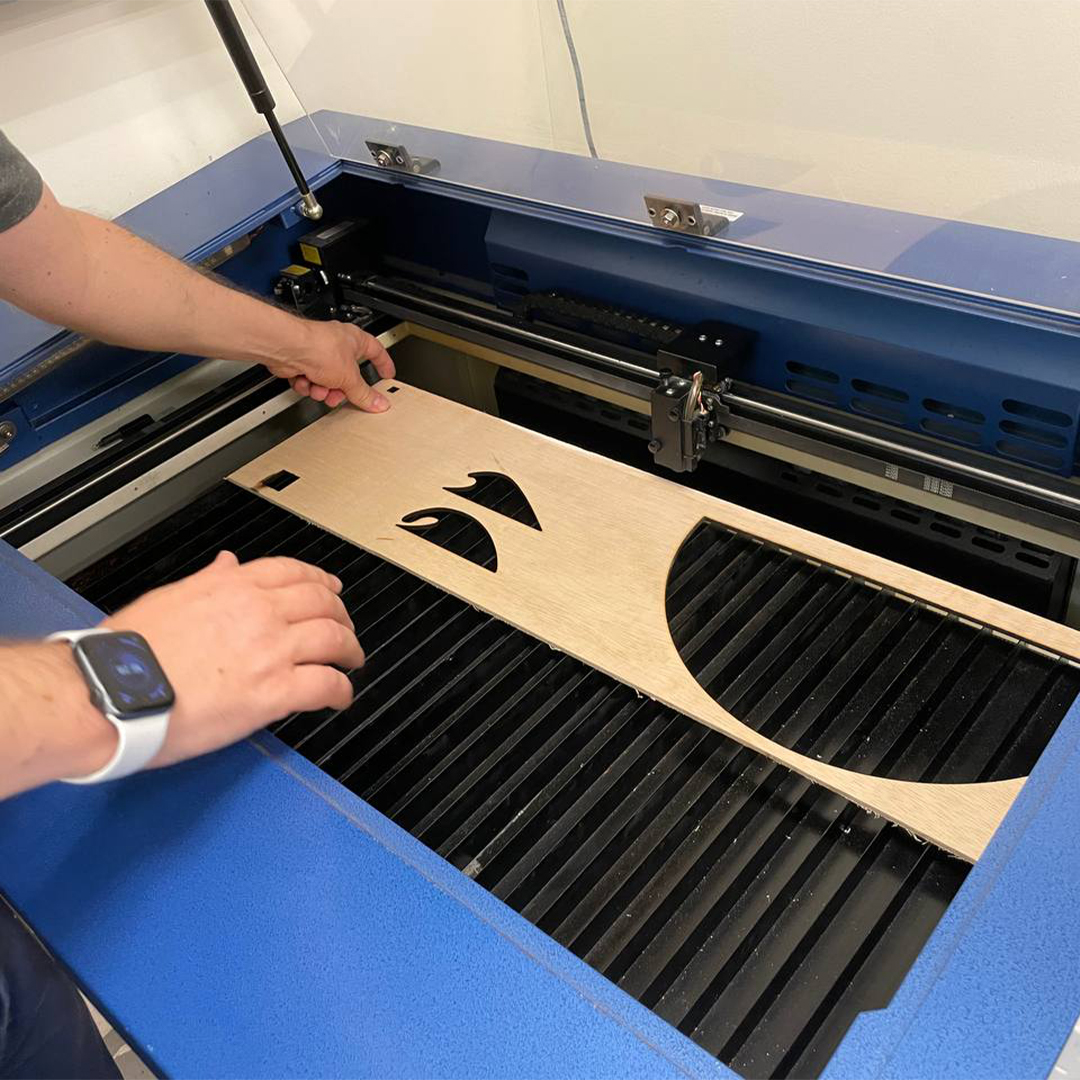
We thought it would be interesting to focus on the effects created by the sun, rather than the sun itself, in the form of shadows. This project aims to represent how sunlight travels through space and through various obstacles before reaching the Earth. By laser cutting random circles of different sizes into wood and shining lights through them, we created different and interesting shadows. The different sized circles on each layer of wood represent different densities of the obstacles light has to pass through. The bigger the circle, the more light is able to pass through which represent smaller obstacles. We also use some sheet of acrylic to represent how the sunlight creates the spectrum of colour.
While doing our research, we came across videos of a sundial and how it ultised light to convey information through shadow. This got us thinking about how we could apply the same principle to our project. We thought it will be interesting to focus on shadows as a way of representing the sun, as it is an outcome rather than the sun itself. By applying what we learned from our research, how light hit on an opaque surface to create shadow. We created different opaque surfaces as such as wood and acrylic. We used the laser cutter to cut out different sizes of circle into the wood. We then layered the different sheet on stand that we made and then used a torchlight to shine through these layers creating an outcome.
Experiment 3
Micro Controller
All objects have shadows in front of the sun, the largest light source. Light and shadow inevitably coexist, and they cannot be separated. Depending on the intensity of the light, the brightness of the shadow also changes, which causes the surrounding color to change as well. Our group devised an object that could show this in a effective way by focusing on light and shadow.
The project is a two-player battle game that simultaneously transmits backgrounds of two themes under the theme of day and night. The background of the game uses white and black to express light and shadow effectively, and the colors and shapes of the sun and moon are also designed to be simple, showing an intuitive connection to the theme of 'sun'. Users can control each character by touching the button that represents ‘sun and moon’, and share the goal of avoiding obstacles approaching the character at random intervals. The game ends when one of the two characters touches an obstacle.
Process
Our group hoped that people could become a part of the work through the simple act of ‘touching’ using a touch board and projection. The number of possible inputs was limited to two, and we aimed to create effective results with simple inputs. There are several phenomena that come to mind when thinking of the sun, and they are as follows.
Light and Shadow / Afterimage / Heat
We started sketching to express each phenomenon creatively, and we had to constantly censor whether our ideas were related to ‘sun’. As a result, we were able to confirm the diversity in the way to express ‘light and shadow’, and set the direction for the basic design of contrast between color and form. It has developed into a two-themed battle-type game, and all elements such as color and shape of each theme are contrasting.
For every single dark night there is a brighter day.- Tupac Shakur
Conclusion
In this module, we get to experience the 3 common machines used to aid in design – Axidraw, Laser Cutter and the Micro-Controller. All of them have very different techniques, purposes and materials. Despite all that, we worked together to created series of design surrounding the emotions associated with the sun.
For each design, we tested the feasibility through simple prototypes, some of them supported the concept while some not so much. However, the outcomes produced by the machines translated much better compared to our prototypes.
To our surprise, there are some products which outcomes exceeded our expectations and produced a deeper meaning than we intended for it. For example, when we stacked the Solar silhouette together in different layers, shapes of leaves and flower started forming, which ties it back to our natural phenomena theme.
Through this experiment and development process, we discover that these machines helps designers to produce outcomes that we’ve never expected. Perhaps it might due to the lack of understanding we had while we were first introduced to it, but in this case, it was for the best.
While the final products seem successful in communicating our concepts, we could have made use of the machines even more. Designing for the machines’ purpose instead of using the machines to fulfil our purpose. Although it could work both ways, but in this module of learning the machines, we think we could have research more about the machines before the design process.